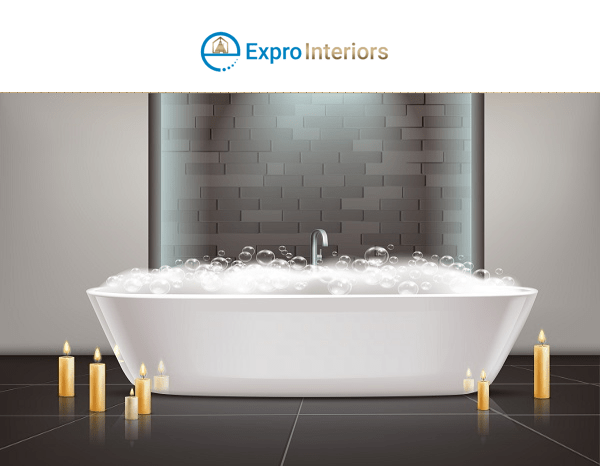
When considering a bathroom renovation or simply replacing an old bathtub, one of the critical decisions you’ll make is choosing the right bathtub size for your space. It’s a delicate balance between the dimensions of your bathroom, your personal comfort preferences, and the practicalities of installation.
A bathtub is not just a utilitarian fixture; it is also a haven of relaxation and solitude. Your choice can transform your daily ritual into a luxurious escape or a cramped disappointment, making the selection process a significant one.
An extra large bathtub can overpower the room and complicate the plumbing, whereas an unusually small bathtub might diminish the comfort and aesthetic appeal of your bathroom. This guide is designed to help you navigate the plethora of options available, so you can find a tub that fits not only your bathroom but also your lifestyle.
Understanding bathtub sizes starts with an appreciation of the bathroom’s layout and the role the tub plays within it. Whether you’re working with a compact urban bathroom, a master en suite, or a spacious family bathroom, the right bathtub size can enhance the room’s functionality and style.
From soaking tubs to whirlpools, from alcove installations to freestanding showpieces, the perfect choice awaits if you know how to look for it.
Different Bathtub Sizes for Different Needs
Let us understand the various bathtub sizes available in India and how to choose the right one for your home.
1. Standard Bathtub Sizes for Compact Living
In India, space is often at a premium, and this is reflected in the design of standard bathtubs suited for the average home. The standard bathtub sizes available tend to balance space-efficiency and comfort, with typical lengths ranging from 5 to 6 feet and widths of approximately 2.5 to 3 feet.
These dimensions are chosen to ensure that the bathtub can comfortably accommodate an adult while ensuring it can be incorporated into the spatial constraints of urban apartment bathrooms. Such baths are deep enough for a satisfying soak, usually around 14 to 20 inches, but not so deep as to pose difficulties in stepping in and out safely.
These standard bathtubs are designed with Indian household needs in mind, ensuring that even smaller bathrooms can include a tub without sacrificing too much floor space. Installing a standard-sized bathtub in a compact Indian bathroom usually means making room for other essential fixtures and maintaining sufficient movement area.
The popularity of these dimensions is testament to their practicality, offering a balance between the luxury of a bath and the realistic limitations posed by the average bathroom space in India.
2. Alcove Bathtubs
Alcove bathtubs, also known as recessed bathtubs, are a classic and space-efficient design that is particularly well-suited for smaller bathrooms commonly found in many Indian homes. These tubs are typically surrounded by three connecting walls and are accessed from the open side.
The alcove design maximizes the use of limited space by fitting snugly into a dedicated area, often utilizing the length of the room more than the width. Plus, they come with a built-in ledge around the edges, which is useful for placing bathing essentials, such as soaps and shampoos, making them highly practical for daily use.
One of the main advantages of alcove bathtubs is their compatibility with shower installations. With the addition of a showerhead and a curtain or glass panel, an alcove tub can serve as a dual-function fixture, allowing you to make the most out of your space.
It is a cost-effective option as well, since it often uses the existing walls to complete the enclosure.
However, the installation of an alcove bathtub might require precise alignment with the bathroom’s plumbing, and there’s less flexibility in terms of placement since it must be installed against the walls.
Aesthetic choices may be somewhat limited compared to other types of bathtubs, but they do come in a variety of materials, such as acrylic, fiberglass, or enameled steel, to suit different preferences and budgets.
3. Drop-in and Undermount Bathtubs
Drop-in bathtubs are a stylish and versatile choice for those looking to add a touch of luxury to their bathrooms. Unlike alcove bathtubs, drop-in tubs are designed to be fitted into a pre-built deck or enclosure, giving you the creative freedom to customize the surrounding finish to match the bathroom decor.
The tub itself is essentially a shell, with the rim sitting flush with the surrounding deck, creating a seamless look. This design can result in a clean and high-end appearance, with the exposed top surface of the tub level with the decking material, be it tile, stone, or wood.
Drop-in bathtubs can also be placed anywhere in the bathroom as long as the structure to house the tub is accounted for, which allows for more flexibility in design and placement compared to alcove models.
Undermount bathtubs are similar to drop-in tubs in that they are also installed into a deck. However, the key difference is that the rim of the tub is not visible, as it is mounted underneath the deck material.
This results in an even more polished and uninterrupted visual flow, which is highly desirable in contemporary and minimalist bathroom designs.
Both drop-in and undermount options tend to be more costly than alcove tubs, both in terms of the tub itself and the installation, which includes constructing the deck or surround to specific measurements. Additionally, these types of bathtubs require more space, making them suitable for larger bathrooms.
Still, the investment is rewarded with a custom, upscale, and built-in look that can significantly enhance the aesthetic value of the space. Moreover, the surrounding deck offers ample ledge space for bath accessories or decorative items, contributing to the tub’s functionality and overall ambiance.
4. Soaking Tubs for Relaxation
Soaking bathtubs differentiate themselves with a design focus on depth rather than length or width, providing a luxurious bathing experience.
Ranging in depth from 19 to 22 inches, they offer enough water depth for full-body immersion, appealing to those who seek the therapeutic comfort of a long, leisurely soak.
These tubs, indeed, are the sanctuary for relaxation and stress relief in the midst of hectic lifestyles. They cater to individuals and families looking for that spa-like experience at home, and as such, they are gaining popularity in middle-class and affluent Indian households.
However, these deeper tubs may require more water to fill, which is a consideration in terms of both environmental impact and utility costs. Also, the increased depth can present a challenge for those with mobility issues, as they can be more difficult to enter and exit than standard tubs.
Nevertheless, the trend towards wellness and self-care in home design means soaking tubs are increasingly considered worth the investment for the tranquility they bring to the bathing ritual.
5. The Freestanding Bathtubs
Freestanding bathtubs serve as a statement piece in the bathroom, offering an element of sophistication and classic style. They stand alone, unattached to walls or surfaces, demanding a considerable amount of space, which makes them suitable for larger bathrooms commonly found in luxury dwellings.
These bathtubs come in various lengths, typically starting at the same size as standard bathtubs but extending up to 7 feet or more for added comfort and a grandiose appearance.
In India, where space can be a symbol of luxury, a freestanding tub can showcase the opulence of a home and is often a feature in the bathrooms of villas, estates, or high-end apartments.
Choosing a freestanding bathtub offers homeowners the flexibility of placement within the bathroom, as it does not require fitting into an existing alcove or between walls. It can act as a focal point in the design of a bathroom. And it comes in an array of styles, from sleek modern designs to ornate classical models.
Although they tap into the premium space of the bathroom, the aesthetic appeal and luxurious bathing experience they provide have made them a popular choice for those who can afford both the space and the investment.
6. Corner Bathtubs for Space Efficiency
For homes where conserving space is essential yet a desire for comfort remains, corner bathtubs present an ideal solution.
Designed to fit neatly into the corner of a bathroom, these tubs maximize the use of available area, utilizing corners that might otherwise serve little purpose.
They can provide a spacious feel without occupying the central floor area, often making them a clever choice for mid-sized bathrooms where a full-sized tub might impose on available space.
The lengths of these tubs can vary, but they generally measure from 4.5 to 5.5 feet on each side and feature a unique triangular or sector shape that sets them apart from other bathtub designs.
Corner bathtubs often come with ergonomic features such as molded armrests and back supports, enhancing the comfort factor. This blend of space efficiency and user comfort has made corner bathtubs a popular choice in the modern Indian home.
They can be particularly well-suited for family bathrooms where functionality and efficient use of space are paramount. Although not as expansive as freestanding tubs, corner bathtubs can provide a generous bathing experience for their size.
7. Custom Sizes for Unique Spaces
Due to the diverse nature of homes and personal tastes in India, customization plays an important role in the selection of bathtubs. Custom-sized bathtubs offer homeowners the flexibility to tailor the size and shape of their tub to fit unusually sized or shaped bathrooms.
Whether one needs a smaller tub to fit a specific niche or a larger one to fill a generous space, custom options allow for this level of personalized fitting. This choice is particularly useful in home renovation projects where the homeowner seeks to match the bathtub to their specific design vision or to accommodate architectural peculiarities in their residence.
The ability to create a bathtub to precise specifications means that even homes with the most challenging bathroom layouts can feature a bath.
Offering both a practical bathing solution and an element of bespoke luxury, custom tubs can range from minimalist and modern to elaborate and traditional in their design.
Such versatility is particularly appealing in the uniquely varied architectural landscapes found across Indian cities and towns, making custom bathtubs a preferred choice for those wishing to express individuality in their home design.
8. In-Built Bathtubs
In-built or alcove bathtubs are integrated into the bathroom design, enclosed on three sides, and are a frequent choice in urban Indian apartments due to their space-efficient nature.
These types of bathtubs are celebrated for their practicality, as they often feature a shower-head fixture option, making the most of the available space by serving dual purposes.
Their standardized dimensions, which mirror the lengths and widths of freestanding bathtubs, aim to fit seamlessly into bathroom layouts without major alterations to existing structures.
They are convenient for those looking for a straightforward installation process and can be an ideal selection for families or individuals with a preference for quick showers with the occasional indulgent bath.
Such in-built bathtubs ensure that even when space is limited, the comfort and functionality of a full bathtub can still be enjoyed. They blend into the bathroom environment, providing a clean and seamless look that can be easily matched with other fittings and fixtures.
For newer constructions, these tubs are often a sensible choice, as their specifications are usually taken into account during the initial design phase of the bathroom.
9. Jacuzzi Bathtubs
Jacuzzi bathtubs, named after the pioneering Italian brand that popularized them, are synonymous with luxury and relaxation. The defining characteristic of a Jacuzzi bathtub is its jet system, which propels water or air, or a combination of both, through small openings in the sides of the tub.
These streams create a massaging effect that can soothe aching muscles and offer a spa-like experience within the comfort of one’s home.
A Jacuzzi bathtub is often larger and deeper when compared to a standard bathtub to accommodate the additional components that make up the jet system and to provide enough space for an individual or multiple people to sit comfortably and enjoy the therapeutic effects of the water jets.
They come in various shapes, including rectangular, oval, and corner units, each designed to fit different bathroom layouts and personal preferences.
Modern Jacuzzi bathtubs offer a variety of features that enhance the user experience beyond the basic hydromassage. Many models include adjustable jets, allowing users to control the intensity and direction of the water flow to target specific areas of the body.
Some high-end Jacuzzi baths may boast advanced technologies like chromotherapy, with LED lights that change colors to influence mood and create ambiance, or aromatherapy functions where essential oils can be released into the water for a multisensory experience.
Touchscreen controls, inline heaters to maintain water temperature, and whisper-quiet motor technology are additional characteristics that may be found in contemporary Jacuzzi bathtubs.
The combination of these elements aims not only to provide relaxation and comfort but also to bring a touch of sophistication to the bathing experience.
How to Choose the Right Bathtub Size for Your Indian Home?
Selecting the ideal bathtub for your Indian home can be an exhilarating yet challenging task. With the myriad of options available in the market, finding a bathtub that seamlessly fits into the spatial constraints of an Indian bathroom while providing the desired luxury requires careful consideration.
Here’s a comprehensive guide to help you navigate the process of choosing the perfect bathtub size that harmonizes with your lifestyle and your home’s design aesthetic.
Understanding Space Constraint
Indian homes, especially those in urban areas, often have limited bathroom space. Before you venture out or browse online for bathtubs, measure your bathroom space meticulously.
Determine the maximum length and width you can accommodate without making the space feel cramped. Don’t forget to leave ample room for movement and other fixtures.
Standard Bathtub Size
Typically, standard bathtub sizes in India range from about 1200mm (47 inches) to 1800mm (71 inches) in length and about 700mm (27 inches) to 800mm (31 inches) in width. However, it’s crucial to note that custom sizes are also available, and you can explore those if standard dimensions don’t suit your needs.
Assessing Your Preferences
When thinking about standard bathtub sizes, consider how you plan to use it. Do you relish long, soaking baths, or are you more about practicality with quick dips?
For the former, deeper and longer tubs would be preferable, while for the latter, you might opt for something more compact to save space.
Material and Weight
Choice of material can influence the size and weight. Options like acrylic and fiberglass are lighter and easier to maneuver into apartments or upstairs bathrooms compared to cast iron or stone resin.
The material choice affects not just installation but also the look, feel, and maintenance level of your bathtub.
The material from which a bathtub is made can greatly impact both the weight and the durability of the tub. Lightweight materials such as acrylic and fiberglass are popular choices for their ease of handling and installation. These materials offer flexibility in design, provide good heat retention, and are often more budget-friendly.
Acrylic bathtubs, for instance, are reinforced with fiberglass, making them sturdy yet light. Fiberglass bathtubs are similarly lightweight and can be installed without the need for extensive structural support.
Both are especially suitable for locations where heavy materials might pose a logistical challenge, such as on upper floors of a house or in buildings with limited load-bearing capacities.
In contrast, materials like cast iron and stone resin are much heavier, requiring additional manpower and sometimes structural reinforcement of the floor to support the weight.
Cast iron bathtubs are appreciated for their classic look, longevity, and excellent heat retention, but they are challenging to move and install due to their considerable weight. Stone resin bathtubs offer a luxurious, high-end aesthetic and are similarly heavy.
The choice of material is not only a matter of practical installation concerns but also influences the overall ambiance of the bathroom space. Heavier materials might limit the bathtub’s size or shape based on the constraints of the physical space and structural support available.
Ergonomics and Comfort
The size should not only fit your bathroom but your body as well. If possible, test out different tubs for comfort. Ensure there’s enough room to stretch out, and the back slope is comfortable for lounging. Consider a tub that’s at least 1500mm (59 inches) long for full-body immersion.
Plumbing and Installation Requirements
Before finalizing the size, consider the plumbing aspects. Some bathtubs may require additional plumbing alterations, which can be costly. Make sure the size you choose aligns with your existing plumbing setup or that you’re willing to adjust it accordingly.
The location of the drain, the type and accessibility of the water supply lines, and the capacity of your water heater all play roles in determining which bathtub size and style will be most appropriate for your bathroom.
Some tub styles, such as those with whirlpool jets or air systems, may require special plumbing considerations, such as access to an electrical outlet or additional water lines. It’s essential to assess your current plumbing infrastructure to determine whether it can accommodate the bathtub you desire, or if modifications will be necessary.
Making changes to the existing plumbing can significantly increase the cost and complexity of the installation. Therefore, when choosing a bathtub size, it is often more economical to select a model that conforms to the present setup unless you are planning a major bathroom renovation.
If you’re contemplating a bathtub that deviates from standard sizes or includes features like therapeutic jets, consult with a plumber beforehand to discuss the requirements and potential costs involved. Aligning your bathtub choice with the current plumbing arrangement can streamline the installation process and help to avoid unexpected expenses and delays.
Family Needs
If the bathtub is for family use, include all members in the decision-making process. For homes with seniors or individuals with mobility issues, look for tubs that are easier to access with features like built-in seats and textured floors.
Still Pondering the Necessity of Expert Guidance in Choosing Your Ideal Bathtub?
Selecting the ideal bathtub for your bath space is an intricate process that entails a host of technical considerations, including spatial dimensions, material weight, plumbing configuration, and design compatibility, to mention just a few.
These complexities often require a depth of knowledge and practical experience that lies beyond the scope of a layperson.
Professional assistance ensures that all factors are expertly evaluated to avoid costly mistakes and to achieve a harmonious balance between functionality and aesthetic appeal.
By engaging an experienced interior design agency like Expro Interiors, you can tap into a wealth of expertise, ensuring that the bathtub not only fits your space perfectly but also enhances the overall ambiance and utility of your bathroom.