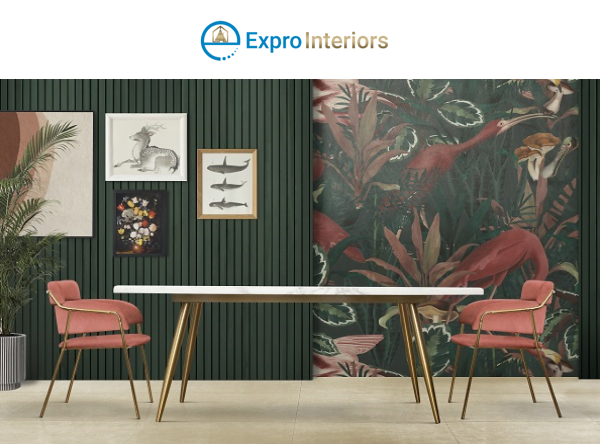
Artwork is an integral part of interior design, with the power to dramatically transform the feel and aesthetic of any living space. It adds personality, character, and color, turning a plain, functional space into one that’s uniquely yours.
Art can be the focal point of a room, inspiring the color palette and style of the rest of the decor. By adding texture and depth, it brings in different layers to the design, making it more engaging and appealing. Qualities like the art’s color, shape, size, and style all interact with the decor, creating a certain mood and feel in the room that creates a lasting impression.
Furthermore, artwork in interior design can also play a functional role. It can define spaces, guide the viewer’s eye, or even hide imperfections. Combining it with other elements like mirrors can amplify light and make a space seem larger, while integrating it with personal items or greenery can add a fresh and personal touch.
Beyond its visual and functional advantages, art also has an emotional impact. It can reflect personal stories and interests, evoking emotions and sparking conversations. In essence, art in interior design is more than just aesthetics – it can encapsulate one’s identity, making a house truly feel like home.
Tips for Ampung Up Your Interiors with Artwork
Take a look at some of the effective ways of adding artwork in your interior design.
1. Invest in What You Love
Moreover, your purchase should not be driven by trends or what’s currently popular in the art world. It’s essential to remember that trends fade and change over time, but art is timeless. Look for pieces that you connect with on a profound level.
Remember that artwork is an investment. While you may not be purchasing art for its potential future resale value, it’s always a good idea to buy from established artists or reputable galleries. This also ensures you are buying an original piece and not a fake.
2. Consider Size and Scale
Consider taking measurements of your wall space before purchasing artwork for wall art decor. This will help you visualize how a piece will fit within your room and aid you in selecting the right size. Don’t forget about your ceiling height too, as a tall room can handle larger pieces.
When using multiple smaller pieces to create a gallery wall, try to keep at least 2-3 inches between each piece to give them room to breathe. Also, ensure the framed art prints are cohesive– matching the color or style of frames can tie the collection together and make it look planned.
3. Match the Colour Scheme
Oftentimes, people find it challenging to incorporate artwork because they struggle with the color balance. In such cases, a helpful tip is to pick 2-3 dominant colors from your artwork and scatter them throughout your room in the form of accessories, furniture, or even wall color.
More importantly, the colors in your artwork should enhance the mood you’re trying to achieve in the room. For instance, if you want a calming, peaceful ambiance for your bedroom, opt for artwork that predominantly uses cool shades like blues and greens.
4. Placement of Art
When composing a gallery wall, it might help to lay out your artwork on the floor first, then flip the arrangement until you find a layout that pleases you. Don’t forget to consider furniture and other fixtures when deciding the placement of your art.
Art doesn’t always necessarily need to hang. Leaning an oversized piece against the wall art decor on top of a furniture ledge or a credenza can create a relaxed, informal vibe. Similarly, smaller pieces can be displayed on shelves or side tables.
5. Use Lighting to Enhance Your Art
If you want to highlight a particular piece, angled lighting falling onto the art can create both drama and interest. Spotlights or picture lights directed at your art can make it pop, drawing the viewer’s eyes straight to it.
When positioning lights, always be mindful of glare. If your framed art print is framed under glass, the light reflecting off it might create a glare, making the work difficult to view from certain angles. In such cases, indirect lighting can work better.
6. Blend Different Styles
Experimenting with styles can lend a sense of eclecticism and unexpectedness to your space. For instance, the stark contrast between a modern piece in a rustic setting can be a powerful visual statement.
It’s also okay to play with varying scales and proportions for added interest. Just ensure that no piece is overshadowed by the others, and each piece holds its own.
7. Frame Art Appropriately
Design experts suggest that the framed art print should recede and allow the artwork to take center stage, unless the frame itself is a part of the artwork, like in some mixed media pieces.
If you have several pieces of art, consistency in framing can create a visually streamlined look. However, feel free to break the rules and opt for a variety of frames if you’re looking for a more eclectic, relaxed vibe in your space.
8. Create Thematic Consistency
Thematic consistency, however, can also extend beyond subject matter. Elements such as style, medium, colors, and period can all form the theme around which your artwork is chosen.
Remember, you’re not looking to create a highly curated museum-style exhibit. It’s your personal space and your personal taste that matter. Whatever theme you choose, be consistent without being boring, and be varied but cohesive.
9. Keep the Art at Eye Level
When it comes to hanging artwork, do keep mainly one rule in mind – the eye level rule. This generally involves placing the piece so that its midpoint is at eye-level (around 57 to 60 inches from the floor). This placement allows the viewers to comfortably appreciate the work without straining their neck upwards or downwards.
However, remember that eye-level is only a starting point. It may need to be adjusted based on factors like the height of your furniture, the layout of your room, and the orientation of the work. Just make sure the art is not hung too high or too low.
10. Reflect Personal Stories
Displaying artwork that has a personal story or a connection can create a meaningful and sentimental value to your home. Perhaps you acquired a painting on a memorable trip or maybe it’s a piece created by a loved one.